Exploring Mobile Transaction Flows and Code Redemptions Under Swedish Regulatory Frameworks
Sam Neumann · Sep 8, 2026
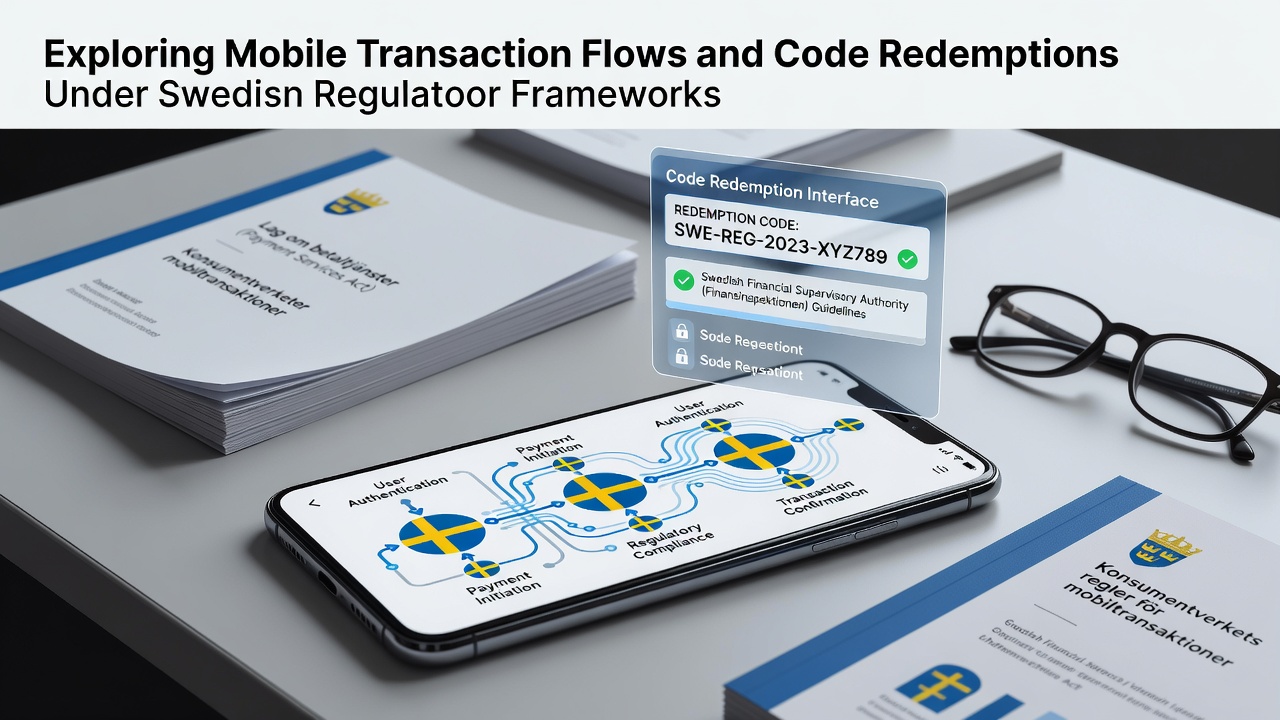
Exploring Mobile Transaction Flows and Code Redemptions Under Swedish Regulatory Frameworks
Swedish regulatory frameworks shape how mobile transaction flows operate in licensed gambling environments, and these rules govern everything from deposit verification to the final steps of code redemptions that unlock promotional offers. The Swedish Gambling Act established clear standards back in 2019, requiring operators to integrate payment service providers that meet strict security protocols while allowing seamless user experiences on smartphones and tablets. Observers note that transaction volumes have grown steadily since then because mobile channels now handle the majority of player activity in the regulated market.
Core Components of Mobile Transaction Flows
Payment initiation begins when a user selects a deposit method within a licensed app, after which the system routes the request through certified processors that comply with both national banking standards and EU payment directives. Data shows that instant bank transfers and mobile wallet options dominate because they reduce processing times to seconds rather than minutes, and this speed helps maintain compliance with responsible gaming limits that operators must enforce in real time. Researchers have documented that authentication steps often combine device biometrics with bank-level verification, creating layered checks that prevent unauthorized access while preserving the fluid nature of mobile interactions.
Transaction monitoring systems flag unusual patterns automatically, and licensed operators must report these to Spelinspektionen within defined timeframes. European Central Bank analyses of digital payments across member states highlight how Sweden's approach integrates these oversight mechanisms directly into the mobile flow, ensuring every step leaves an auditable trail without interrupting the user journey. What's notable is that the framework allows for pre-approved limits on daily transactions, which operators adjust based on individual player profiles and risk assessments conducted during onboarding.
Regulatory Requirements for Code Redemptions
Code redemptions follow precise sequences under Swedish rules because bonus offers must tie directly to verified accounts and cannot bypass wagering or time-based conditions set by the license holder. Operators issue unique codes through secure channels, and the redemption process validates the code against the player's transaction history before crediting any funds or free spins to the account. Studies from payment technology researchers indicate that automated systems now cross-reference redemption requests with ongoing compliance checks, preventing multiple claims from the same user within restricted periods.
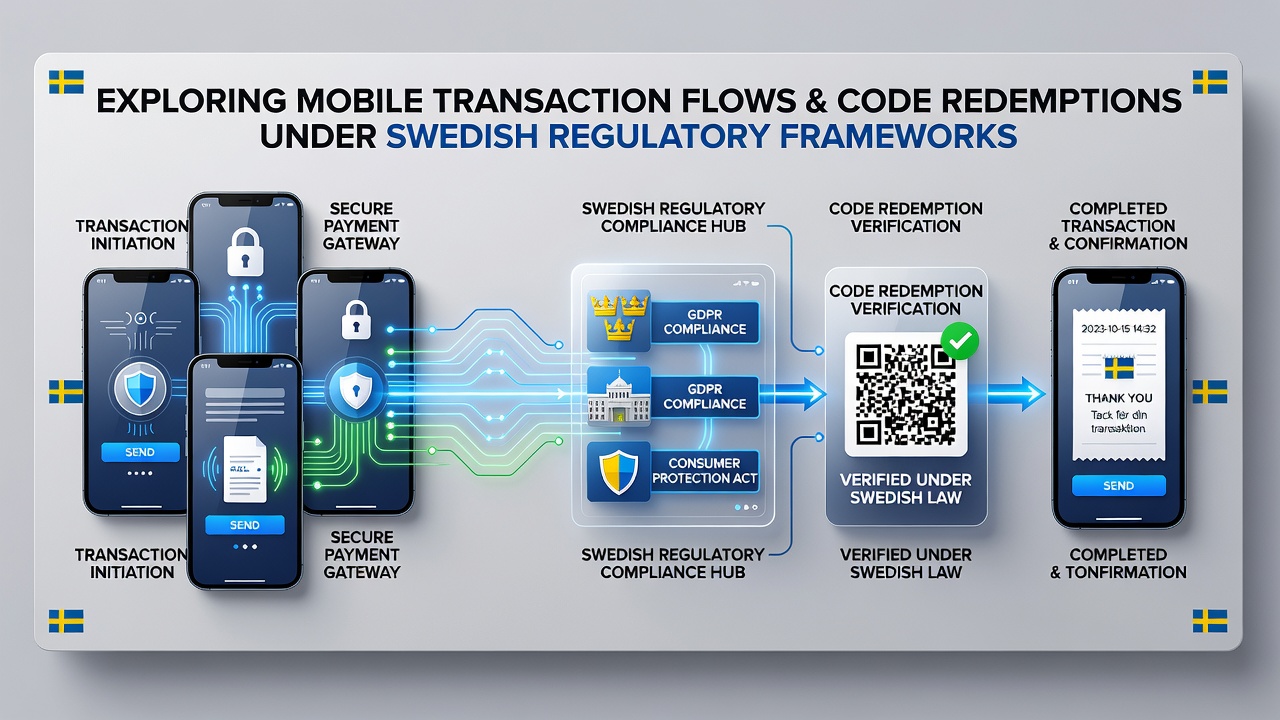
Updates scheduled for September 2026 are expected to introduce enhanced digital verification methods for code entry, including deeper integration with national identification systems that further reduce manual intervention. Those who have examined the draft guidelines note that these changes aim to align code redemption timelines with evolving mobile security standards across the EU while keeping the process accessible on standard smartphones. Figures from industry reports reveal that properly structured redemption flows help operators meet transparency obligations because every code use generates a timestamped record available for regulatory review.
Integration of Security and Compliance Measures
Swedish frameworks require that mobile apps encrypt transaction data end to end, and this applies equally to the moment a code is entered as it does to the transfer of funds. Operators often partner with certified technology providers that specialize in real-time fraud detection, allowing the system to pause a redemption if patterns suggest potential misuse. Research indicates that these safeguards have contributed to lower dispute rates in the Swedish market compared with less regulated environments, because players receive immediate confirmation of successful or rejected redemptions along with clear explanations when issues arise.
Collaboration between payment processors and gambling licensees ensures that code redemptions cannot occur without prior deposit activity that meets minimum thresholds, a rule designed to tie promotional activity to actual player engagement. Data from payment service audits shows consistent application of these thresholds across major operators, creating a predictable environment where both users and regulators can track flows accurately. And because the rules emphasize auditability, every mobile session that involves a code generates logs that remain accessible for the required retention period.
Future Developments and Market Adaptation
Market participants continue to adapt their mobile platforms to upcoming changes, particularly those that will take effect in September 2026 when new technical standards for code handling are slated to roll out. These adjustments focus on improving interoperability between different payment rails while preserving the strict separation between deposit flows and promotional redemptions that Swedish regulations demand. Observers have pointed out that such developments build on existing infrastructure rather than requiring complete overhauls, which helps smaller operators maintain compliance without disproportionate costs.
International comparisons, including reports from Australian regulatory bodies on digital gambling payments, show that Sweden's model emphasizes integration of transaction monitoring with redemption controls in ways that other jurisdictions are now studying. This cross-border learning supports ongoing refinement of the Swedish framework without altering its core emphasis on player protection and market transparency.
Conclusion
Swedish regulatory frameworks establish structured pathways for mobile transaction flows and code redemptions that balance operational efficiency with mandatory oversight. Licensed operators implement these requirements through verified technology and documented processes that generate clear records at every stage. As updates approach in September 2026, the system continues to evolve while maintaining its focus on secure, auditable interactions that align with national and EU standards.